Lessons on Business and Life from a Pizza Joint

agatucci-s-restaurant

On a business trip to my former home of Peoria, IL this week I was reminded of some valuable lessons for both my business dealings and life in general from my favorite local pizza place – Agatucci’s.

Over the 5 years we lived in Peoria, I would say I became a ‘regular’ at Agatucci’s. It was near our home and it became a family tradition for me to pick up our son on Friday after work and head to Aggies to pick up a pizza to take home. That isn’t really anything unique, people in Peoria have been doing it for almost 90 years. Agattuci’s moved to their current location on University Avenue in 1926 and members of the same family have owned and operated it ever since.

Here are a few lessons I took away from eating pizza at the bar while the current operators, Danny and Tony, worked the bar and ran the restaurant:

Do a couple of things well and stick to them. Agatucci’s serves 3 things: cold beer, pizza, and chicken. That’s it. No steaks, no hamburgers, no grilled chicken caesar salads. Just thin crust pizza in 2 sizes (large and small) and fried chicken. Sure, you can get a side salad, but the menu hasn’t changed for a long, long time. It is a good reminder for all businesses that you don’t have to be everything to everyone to be successful. I’m sure there are tons of people in Peoria who turn their noses up at the Agatucci’s menu, but it has not hindered them one bit in running a successful restaurant. Patrons know what they are going to get and they go there for the pizza and chicken.

Names matter. I haven’t lived in Peoria for over 3 years and have only been to Agatucci’s once since I’ve been gone. I’m not Facebook friends with either Danny or Tony, and they don’t follow me on Twitter. Nevertheless, when I walked in last night, they made eye contact with me like they do everyone who comes in the restaurant and then both smiled really big and said, “John, great to see you, what are you doing in town?” I can’t tell you how good that made me feel. I’m not great with names and I need to get better about it because names matter to people and when you remember their name, it makes them feel like they matter.

Take care of your customers and make them feel appreciated and valued. As I mentioned, my son, Jack used to go in for pick up with me when we lived in Peoria. He’d pull up a stool next to me at the bar and Danny would feed him lemonades in step with the 8 ounce draft beers I had while we waited. Jack got a kick out of it and Danny enjoyed asking him questions and answering the ones his 5 year old brain came up with sitting at a bar. When I was there this week, Danny of course asked about Jack, wanted to know what he is up to, and gave me the shirt below to give him when I left. He didn’t have to do that, and it made me feel appreciated as a customer.

aggiesjack

Stay the course. I had a colleague with me this time, so I implored Danny and Tony to recount some of the great stories about the restaurant. The fact that they have Liquor License #13 in Peoria County (issued the day after the 21st Amendment went into effect, lifting prohibition) which is now the oldest surviving because the other 12 places shut down. The story about the fire, the story about the cop car plowing through the front door and destroying the bar, and the story about the attempted robbery that Danny and Tony thwarted with their own pistol work and survived unscathed. The point is, things haven’t always been rosy for Aggatucci’s, I’m sure business has been tight at times, and things have been rough. Through it all, they’ve stayed true to the vision of their grandfather and stayed the course.

I hope that in my business dealings I can learn from Danny and Tony and make my customers feel as great about doing business with me as I do about going to Agatucci’s. I hope that in my life I can stay the course and in my friendships I can remember to make people feel appreciated. Thank you Agatucci’s for these important reminders.
Competing

jackchess1

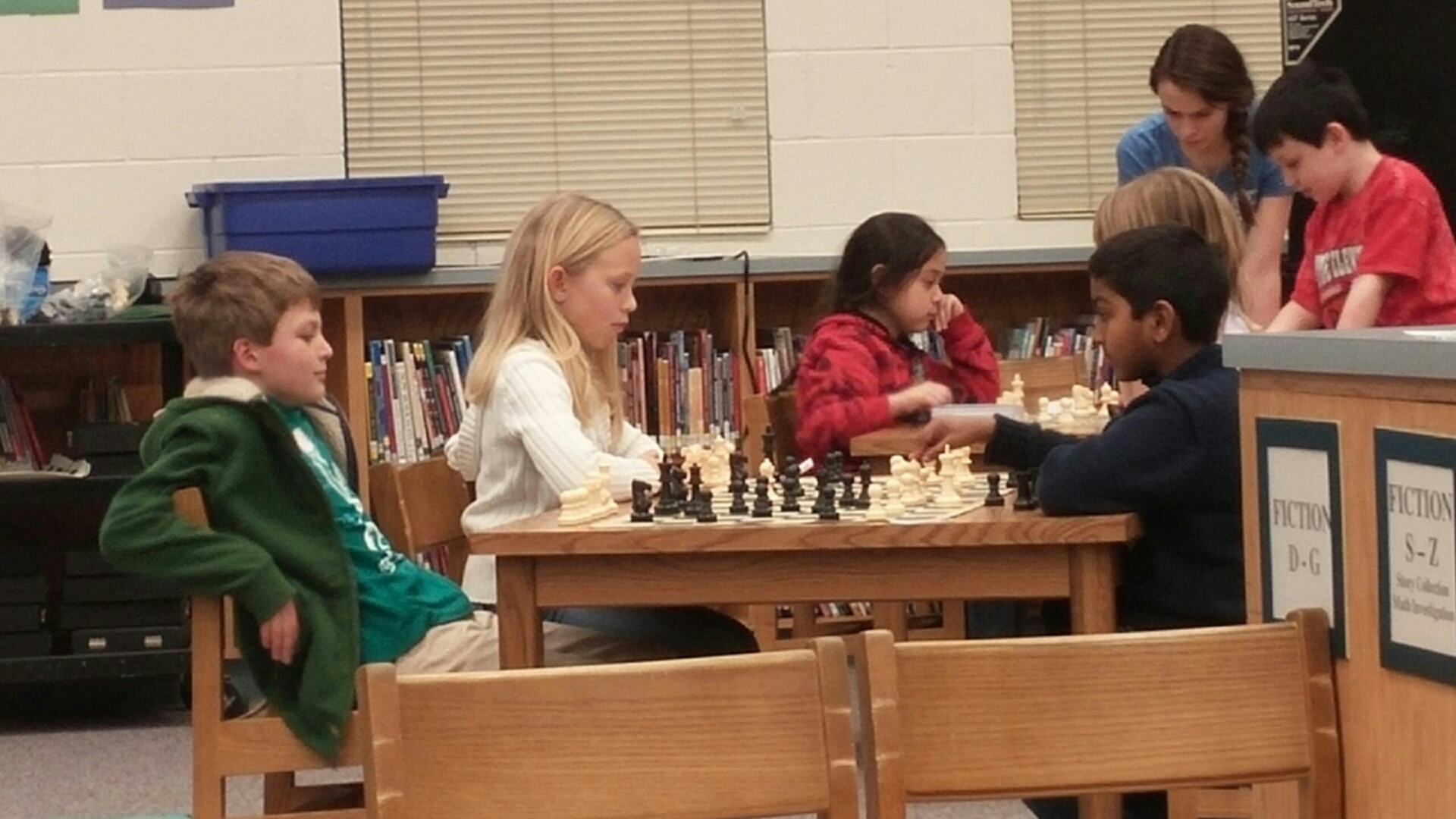
Competing seems like a simple concept to me…that is until I actually think about it. You see, I feel as if I’ve been competing all my life. Most days, I don’t really think about it anymore because it has just become second nature. Last night, however, when my wife sent me this picture of our son, Jack, competing in his first chess tournament and then told me all about it when I got home, I started to actually THINK about competing.

This week has been an interesting week in regards to competition for me. As I took the time to review the past 7 days in light of competition, it struck me how truly connected it is to my life. I also learned that competing takes on different forms for different people. Here’s the timeline…

Last Thursday I found out that our firm DIDN’T WIN a big project that really meant a lot to me. It was hard on our team and disappointing to me. I tried not to second guess why we didn’t win and couldn’t get any answers from the decision makers, so I had to just push through and move on. Saturday, I coached Jack and his team in 8 year old basketball. We won, the kids had fun, and Jack was happy that he had been a part of it, but not thrilled by any means. Monday, I coached the same team in practice and Jack (who is not that good at basketball) did not compete at all in practice, didn’t even really try. It was frustrating and we had a talk about at least giving effort, even when you aren’t the best at something. He told me again that he just doesn’t really like basketball. That was hard for me to hear although I knew it was true. Tuesday, it was cold outside so instead of a run, I decided to try a couple of rounds of the 7 Minute Workout. Wow, that worked some muscles I haven’t worked in awhile and boy, was I competing with my mind to finish the second round! Thursday we pitched another new business opportunity to a professional sports team and after the presentation one of the key decision makers pulls me aside and says “you guys nailed it, you’ve got this.” That felt great and my colleagues and I were beaming and fist bumping all the way to the airport. And then last night I get home and hear about how Jack got 3rd place in his first chess tournament and really had fun. This morning, when he woke up and we talked about it, he said, “I wish I could have at least gotten 2nd.” There it is – competing.

Here’s the thing about competing; if you are by nature a competitor, you will find the thrill in competing in the things that you love. As a young man, and even a young adult, basketball was the thing I most enjoyed competing in and I loved the competition, even the hard losses. As I’ve grown older, I have realized that I get a very similar thrill in competing for sales, even when we are not chosen for a project. Earlier in the week, I was so frustrated that Jack didn’t get a competitive thrill from competing in basketball the way I did as a kid. Little did I know that it wasn’t because he wasn’t a competitor, it was because I was trying to force him to find that thrill in one of my passions, not his. His competitive thrill right now comes from competing at chess (and probably other thinking games), even when he loses. And if his body language in this picture is any indication, I’d say he has some of the same ‘swagger’ and ‘cockiness’ that I had as a young man when I knew I was the better player on the court. My job now as dad/coach is to encourage that competitive spirit to manifest itself the right way and support what he loves regardless of whether or not it is my passion.

What’s Your Thing?

catalystpic

“What IS your thing?”  This question was recently asked of my wife during a conversation with a good friend about some random social club activity.  It was preceded by my wife saying, “That’s not my thing.”  My wife’s friend is a wonderful person and she is generally busy.  Most of the time she is busy doing something good: organizing a food program for underprivileged kids at the school, taking a mission trip to Haiti, attending exercise class and church groups.  So, she was understandably puzzled by the appearance that my wife does not have a “thing.”  The discussion led my wife to conclude, “I guess I don’t really have a thing.”

This incident had me wondering, what is this question really asking?  It seems to me that most people want to know what the one thing is that makes you, you.  What are you most passionate about? What is that one thing that makes you fulfilled?  People have many “things.”  Exercise, religion, an occupation, food, drugs, sports, children, alcohol, appearance, possessions, money, sex…the list could go on forever.  Some “things” are good, some are bad, and some are both.  In many cases, the purpose of each “thing” seems to be to get us to a place of mental stillness where we do not feel the need to get anywhere else – true peace, joy, fulfillment.  But this intent is dysfunctional for many reasons.

First of all, “there” is never here. In the same way, needing, seeking and wanting are the antithesis of peace.  It is impossible to have a still mind while in a state of wanting, seeking or needing.  When peace is there (a place to get to), it is never here (the only place we ever are).

A “thing” is never enough.  According to the egoic, thinking mind, if some is good, more is better.  It always wants more.  Losing weight to improve health and appearance is good.  Having plenty of money and possessions is good.  Religion is good.  However, if a condition becomes a “thing,” we are then in danger of unconsciously subscribing to the “more is better” theory.  Anorexia then becomes the most common cause of death among women ages 15-24.  We end up with television shows about real housewives, hoarders and strange addictions.  Groups like ISIS and Westboro Baptist Church arise.  Of course these examples are extreme, but many of us are guilty of producing suffering, often in the form of a jaded spouse, a neglected child or financial hardship, because of a “thing.”  I certainly am.

In this world of opposites, everything runs in cycles.  Nothing can grow forever.  All things are impermanent.  Looks and athletic ability fade.  Possessions and money are lost.  Jobs come and go. Children grow up.  There will be times when the “thing” isn’t there.  Then what?  We all consciously realize this, but a “thing” can lead to unobserved thoughts and behaviors that say the opposite.

So, is the answer that we should give up our “thing?”  Possibly.  How do we follow my wife’s example of being passionate, achieving and accomplishing without having a “thing?”  Maybe what is needed is awareness: awareness of the ego’s incessant effort to make something “my thing;” awareness that a “thing” is at best providing false, temporary peace; awareness that expecting a “thing” to give something that it cannot give – true peace, true joy, true fulfillment – is dysfunctional.  True peace and joy are uncaused.  No “thing,” no effort, no condition gives rise to the Peace of God.  All too often, having a “thing” obscures it.

Written by Dr. Jason Pittser

Reflections on 2014

endof2014-1 endof2014-2 endof2014-3

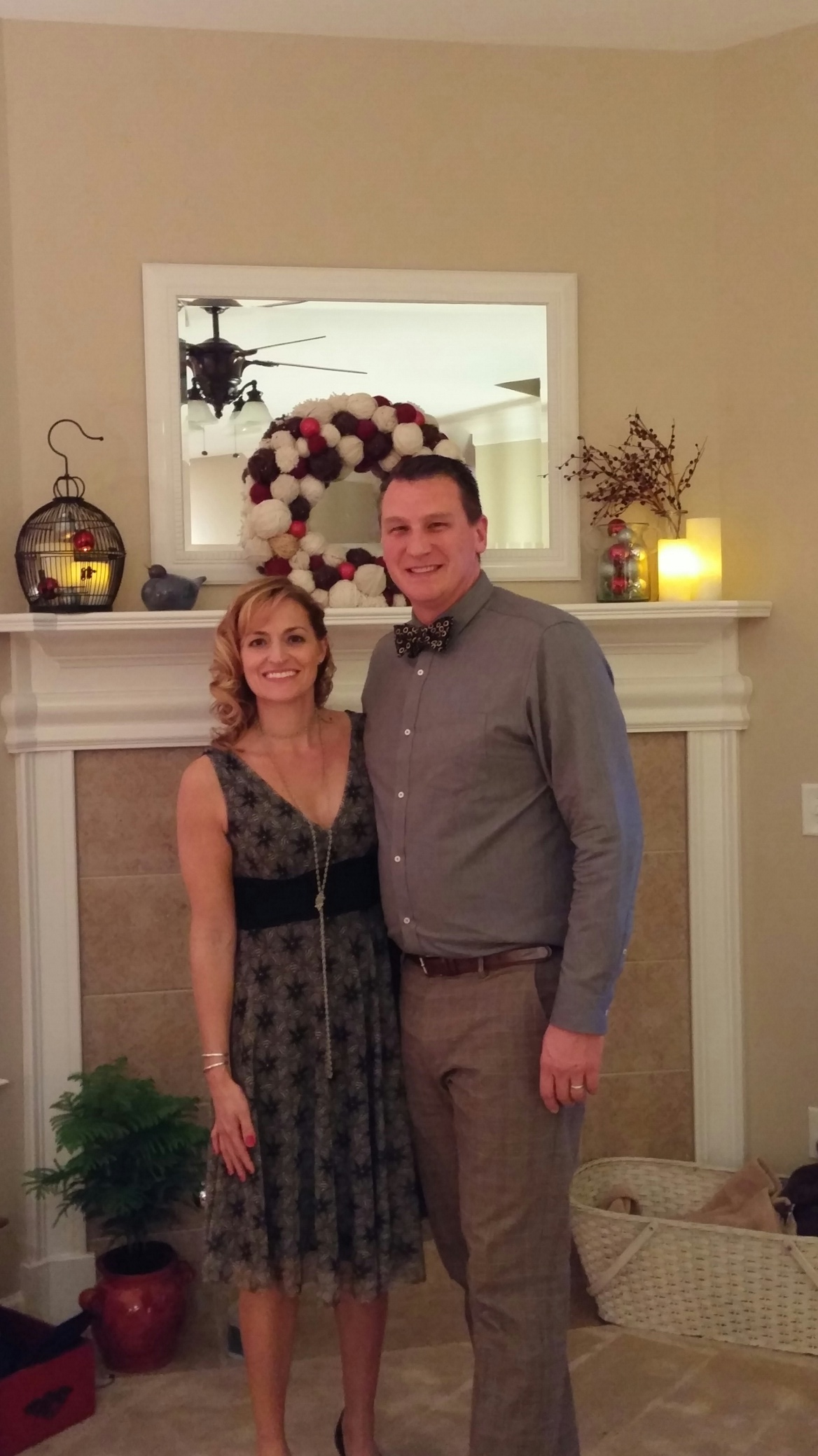
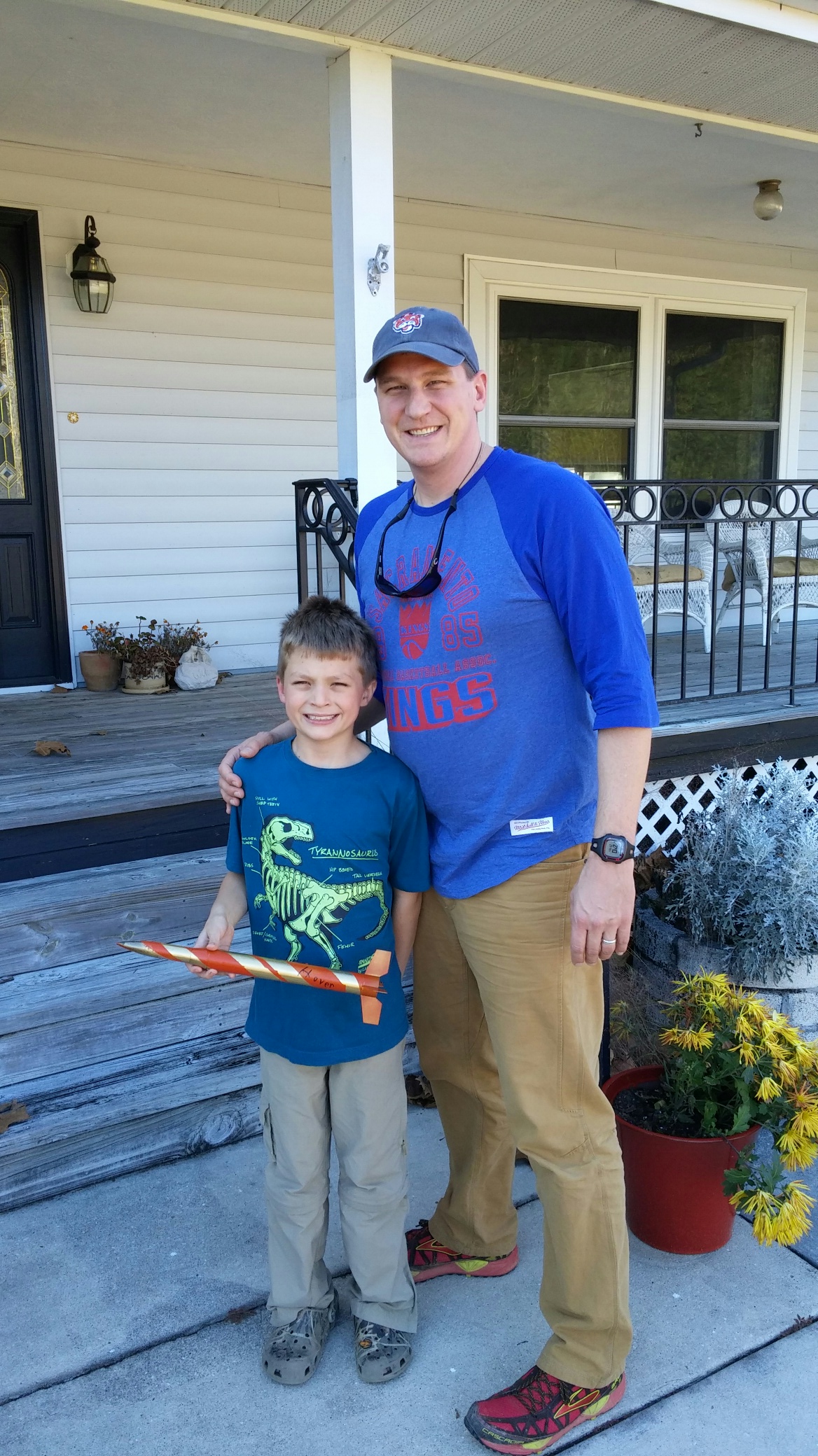
As the year comes to a close, I feel obliged to reflect a bit on 2014. I’ve linked some of my favorite blog posts throughout this summary to illustrate my thinking throughout the year. And since no post would be complete without an accompanying picture, I’ve selected one with each of my 3 favorite people from the end of the year – my beautiful wife and I headed out to her company’s Christmas party, my daughter Josie (5) and I at a Gardner-Webb University basketball game, and my son Jack (8) and I at Thanksmas (what our family calls the exchanging of gifts at Thanksgiving instead of Christmas) after we finished assembling his rocket and were heading out to launch it. I love all three of these pics with the most important people in my life.

So on to some reflection on the year…my college English Education teacher taught me once that when you are critiquing a student’s work you should start by telling them something they did well, then be critical of the things you want them to improve, and then finish with a positive comment about the overall work. She called it the “Sandwich Method.” I think it would be appropriate to apply the Sandwich Method to my year.

2014 was a breakthrough year for me in the understanding and practice of mindfulness and awareness. I would not say I’ve perfected the discipline, but as the year went on I became more and more consistent with spending time just being quiet, meditating and reflecting, and observing my thinking. This mindfulness allowed me to feel calmer and at peace more often and had a great impact on my relationships – strengthening many, clarifying a need to eliminate others, and opening doors to new ones. My accountability partner in this endeavor has been Dr. Jason Pittser and to him I am greatly indebted for his reminders to stick with it.

Professionally, 2014 was the year of breaking waves. My first full year with a new company, I finally started to see some of the work that I had put in come to fruition in the form of contracts. I am excited to see this trend continue in 2015 as we have many positive relationships developing that could lead to more fantastic projects for our team. I traveled to some new places for work in 2014 – Sacramento, Kansas City, and London among others and I look forward to some more new cities next year.

Our family had a year of maturity and development as well. Our first big family vacation (2 weeks to the West Coast) was a fun and exciting learning experience for all of us. The real result, however, was a renewed desire to explore in Jessi and I along with a realization that we could do this exploring with our kids. We had some great trips with friends this year as well. We closed 2014 with a nearly 2 week trek to the Midwest to see family and friends for the holidays that found us sleeping in 5 different states in 11 days and re-connecting with some of the most important people in our lives. We have big plans for 2015, so I am excited to continue our family adventures.

2014 left some areas for improvement for me as well. 2013 was the year of running for me as I completed 2 half marathons and my first marathon through a very regimented training plan. I wouldn’t say I ‘fell off the wagon’ in 2014, but I didn’t work as hard as the year before. My weight, body image, and overall feeling of being healthy suffered from my lack of commitment in 2014. I realized that I need goals to work towards, so 2015 will again find me choosing some races to train for so that I can stay on track with my running.

I also had poor sleep habits and gave in to television too much in 2014. Early in the year we dropped our cable to the very basic plan and I had intentions to spend more evenings reading and less in front of the tv. That was good for awhile, but when college football and basketball rolled around I gave in and added the sports channels back on to the cable. The result was too many late nights watching games which cost me both precious sleep and valuable reading time. I love basketball, and I love watching college basketball, so I don’t want to give that up, but I’m going to try to be more disciplined about a consistent, and earlier bedtime in 2015. I know my body will feel better and it will make that running commitment easier as well.

2014 was a pretty good year. I’ve enjoyed blogging here about the various ups and downs of the year. I look forward to continuing to work out my thoughts in writing in 2015 as I have realized how powerful and valuable the working out of the words can be for me. The coming year is sure to have its good times and bad, but I know that if I continue to focus on being in the moment, aware of the people and things around me, mindful of my own thinking and open to the world, the health of my soul will continue to improve. When our souls are healthy, our bodies and relationships follow. Here’s to a healthful and mindful 2015.

Blowing up the Dam

DAM_BREACH

When I was a young man, my soul was a river. It flowed freely and wildly, traveling wherever the land would allow. I was an emotional being and a dynamic one that was comfortable with where that emotion took me spiritually, relationally, and emotionally. Like any river, my soul started to find patterns where it could flow smoothly. An emotional personality started to form and some banks were created on my river that were comfortable and made me who I was.

By the time I reached college, my ‘river soul’ was a pretty well defined waterway with a strong current and a defined path that led to an ocean of happiness. Like all young people, my river would flow out of its banks with happiness, love, and excitement from time to time and I’d lose control over it, but it would settle down. Like many rivers, I had dry points in my young adult life where my river seemed to all but dry up, leaving little or no water flowing to share with others or even keep myself nourished. By the time I graduated from college, however, I had become a strong, flowing river again; defined by clear banks and an occasional tributary that fed my soul (like a group of friends who taught me how to camp, hike, and mountain bike and fueled my passion for the outdoors), I set off into the adult world with the beginnings of an understanding of who I was and the power that was within me in the form of that river soul.

As I look back on my early career, I mostly let the river within me flow. I wasn’t too concerned about how others interacted with the river, I just knew that when it was flowing people enjoyed my personality and when it dried up it wasn’t much fun to be around. I grew a lot as a person the first 5-6 years after college as my river soul flowed freely and I followed it wherever it wanted to go. I saw it spill out in generosity and kindness to others, it was refreshed with the energy of new love (another important tributary) when I met my wife and we were started our life together as a shared river. I wasn’t risky, per se, but not cautious either, just allowing my soul to grow and flow freely.

I can’t clearly recall when I started to build the dam. At some point, I realized that I could harness the energy and power of my soul if I would build a dam and force the river to flow through it. It seemed like a great idea at the time – take all of the great things that flow out of you naturally and start to control them. Over time, as the dam was built, I began to feel like I was taking control of my river soul, using its power for the greater good of my family, my career, myself. When the situation required it, I could open up the gates and let the river flow freely and powerfully over the dam – this created energy and was impressive to all who saw it at job interviews, company business meetings, vacations, or family get togethers. When people viewed the river with the gates all the way open, it looked like a thriving, healthy river. Then, at times, I could slow the flow to a trickle. The water levels would drop and the flow became more controlled. I didn’t realize it then, but when I forcefully closed those gates, it had a dramatic impact – my marriage and family were not nourished because there wasn’t enough water, my business relationships became stagnant due to the lack of moving water, and life became generally dull and dry. Too often, when I was trying to slow the flow of water it was in the midst of a season of drought that I didn’t even recognize. While I thought I was preserving my river in the dry time by slowing the flow to a trickle, what was really happening was that the river was drying up behind the dam.

The result looked something like this:
glencanyondam-waterlevel1
The water levels of my soul behind the dam I had created had become so low, the water was evaporating away, and the fact that there was ever a river there was almost imperceptible.

And then I decided to blow up the dam.

It takes a long time and a lot of effort to blow up a huge dam that has been holding back a rushing river for years. You can’t do it with a pick axe, it takes dynamite. It is loud, and it hurts. There is no quiet, discreet way to blow up a dam.

The result of releasing the river soul to flow again has been amazing. True, there aren’t many of the ‘open the floodgates’ rushes of emotional water anymore that used to happen when I was in control; but my soul is once again flowing smoothly and uninhibited. It has returned to its original banks in most places and has forged new ones in other places. My river soul still goes up and down based on seasons of emotional and spiritual rain and drought. Every now and then a chunk of the old dam comes loose and barrels down the river, reminding me of the damage I did by trying to control my river soul. But now I don’t try to control it, instead I see my primary job as keeping it clean so it can flow freely and nourish others. When it gets clogged after a heavy rain with trees, debris, and rocks, I’ve got to get those out of the way. When the levels are low because of drought, I’ve got to dredge the bottom to maintain the river’s flow. I don’t have to control it anymore, just make sure that it is genuine, free, and clear of anything that might slow it down. The water of my river soul takes care of the rest.

Inspired by the book Soul Keeping by John Ortberg

Kid Pictures

Thanksmas2014-2

Thanksmas2014-1

Thanksmas2014-3

I don’t think there are many adults alive who would argue that we could all use a dose of childhood on a regular basis. Kids care about each other, adults are selfish; kids are honest, adults hide the truth; kids stay in the moment, adults worry about the past and future while they often ignore the moment; kids have genuine emotions of both joy and sadness, adults try to hide all of their emotions, or at best, control who sees them.

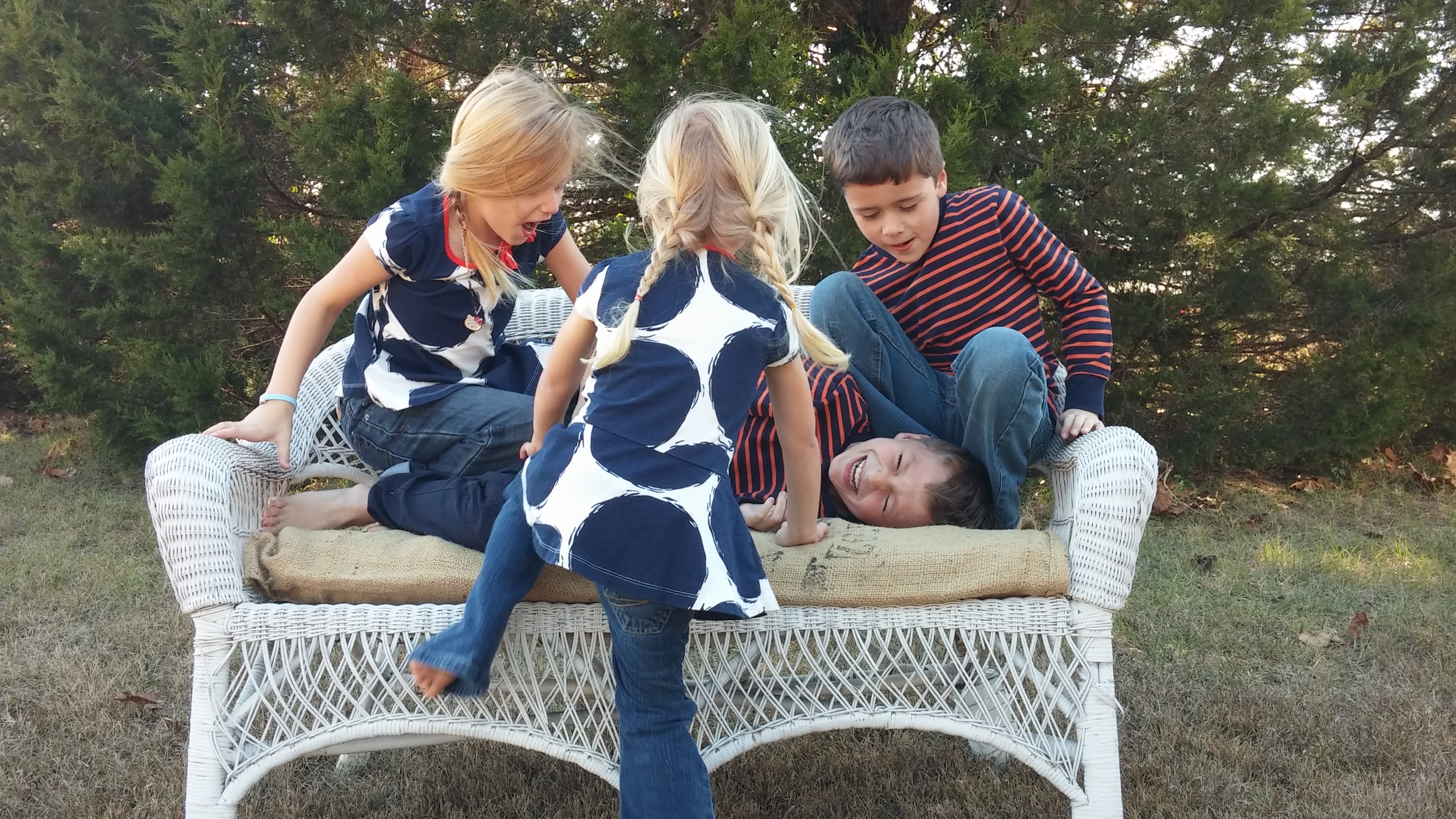
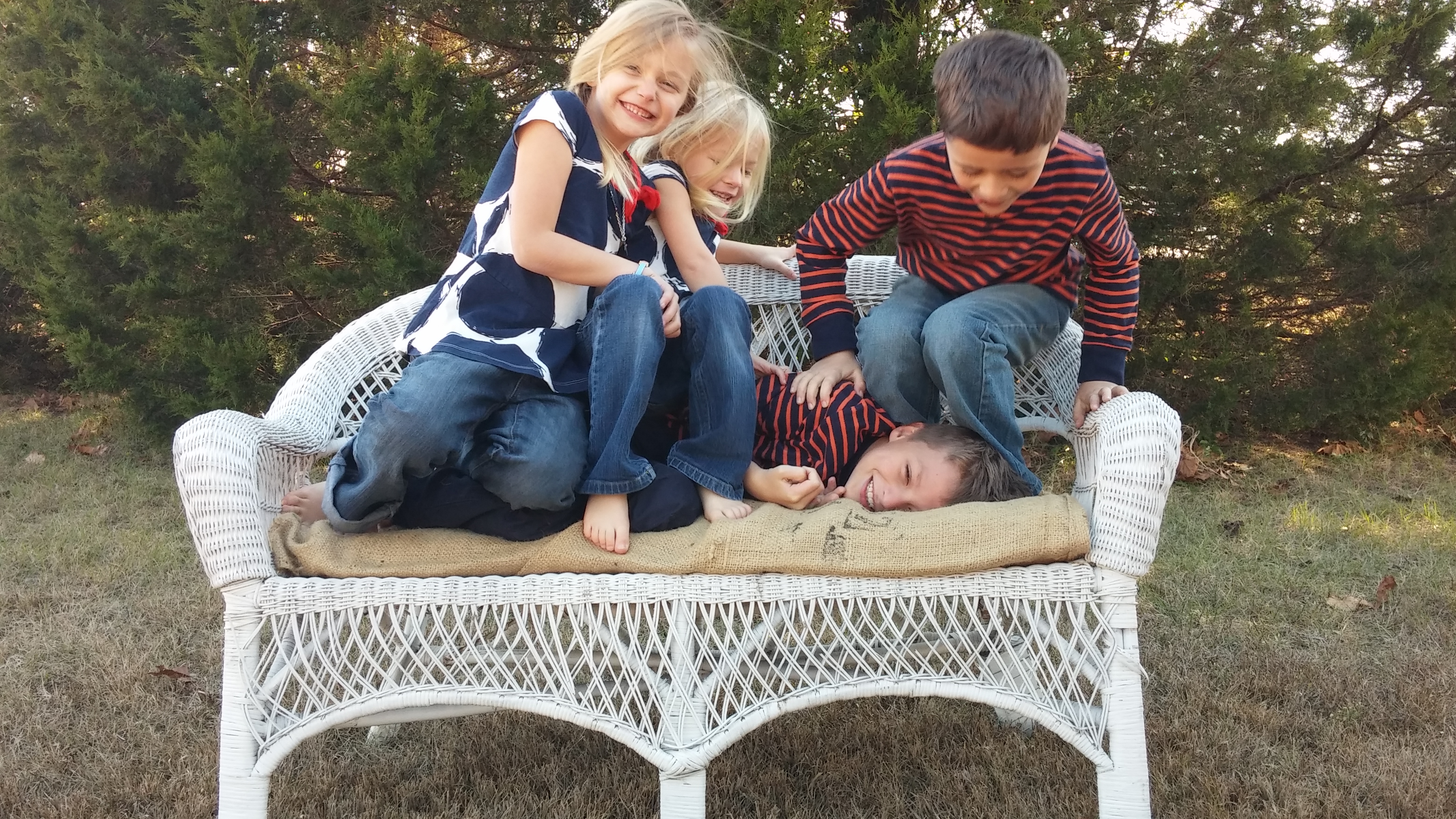
This past Thanksgiving Weekend, I became aware of another thing we adults need to learn from kids in the attempt to take some “Kid Pictures.” Like many families around the country, we got together with the entire clan for several days and as our kids and their cousins don’t get together more than a couple of times a year, we wanted to mark the occasion with a Facebook worthy picture, suitable for framing. Needless to say, the kids had a different idea, and I think we need to learn something from them when it comes to pictures (whether they are actual pictures, or the emotional pictures that we snap when we’re together).

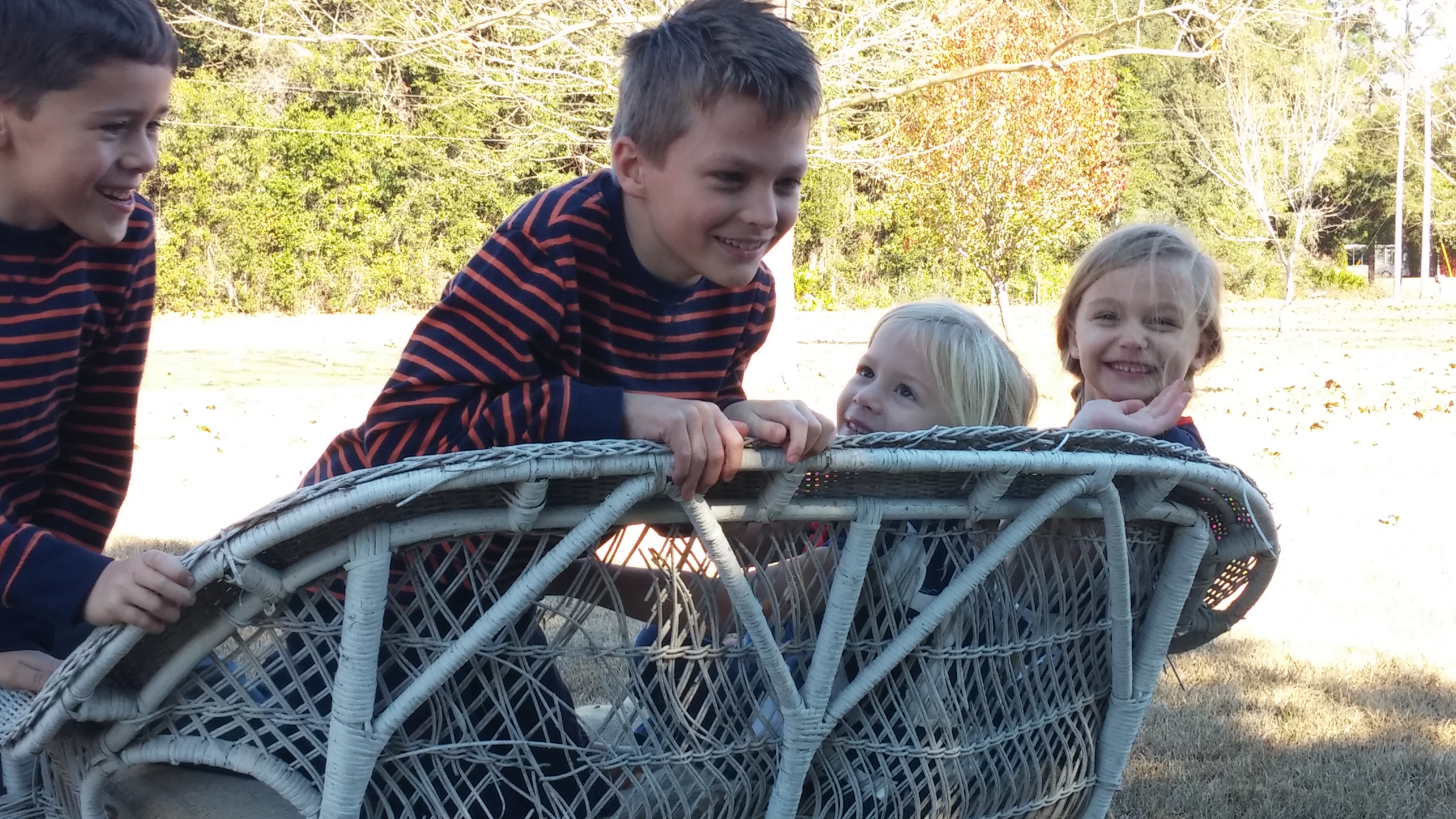
We had bought the requisite matching outfits – striped shirts for the boys, cute flowered print shirts for the girls, all in matching orange and blue (for Auburn or Florida, depending on who you ask). It was a beautiful fall day at my brother’s Florida home and we placed the wicker sofa in just the right spot on the lawn for the ideal picture. Should be simple to then get an 8, 7, 5, and 4 year old to sit together for 30 seconds to take a picture, right? Nope, didn’t feel authentic to the kids. So they did what they wanted to do – piled on top of each other in a laughing, screaming mosh pit with the oldest cousin on the bottom and everyone sitting on top. Luckily, we snapped the above shots anyway and captured what life is really like for these 4 when they get together for family gatherings – it is just having fun being together. No pretenses, no false selfs involved, no talking behind each others’ backs. They just play together when they want to play together, get away from each other when they’re tired of each other; they laugh, they argue, they cry, they share; all along they are developing real relationships.

We adults ought to stop trying so hard to make every picture – literally and figuratively – a presentation of the self we want the world to see too. We ought to be ok with spending time together and spending time alone near each other. We ought to stop trying to accomplish our agendas when we get together and start just being together developing real relationships. Life is messy, we don’t always agree and we don’t always get along – even with family. That is ok, it is what makes life interesting and fun. But we need to recognize it and appreciate it, not hide it and pretend it doesn’t exist.

I dearly love my parents, my brother, my sister-in-law, and my niece and nephew. I don’t agree with my parents or brother on everything and that is fine with me. We have interesting conversations with divergent points of view and I appreciate those. I don’t live my day to day life the same way as my brother and his family and our family dynamics are different. That is ok, and it makes our time together interesting for parents and kids alike because they get to interact with a different way of doing things. Everything in life doesn’t have to be neat and organized, scheduled and set. We certainly don’t all have to have the same methods to get to the outcomes we’re seeking. So let’s continue to celebrate the fact that we can just get together, pile on top of each other with laughing, screaming, and crying…and enjoy living in each moment. Oh, and let’s make sure we take some pictures of it that way so we can show each other how similar we actually are in our dysfunction.

Thankful for Friends

IMG_0841friends

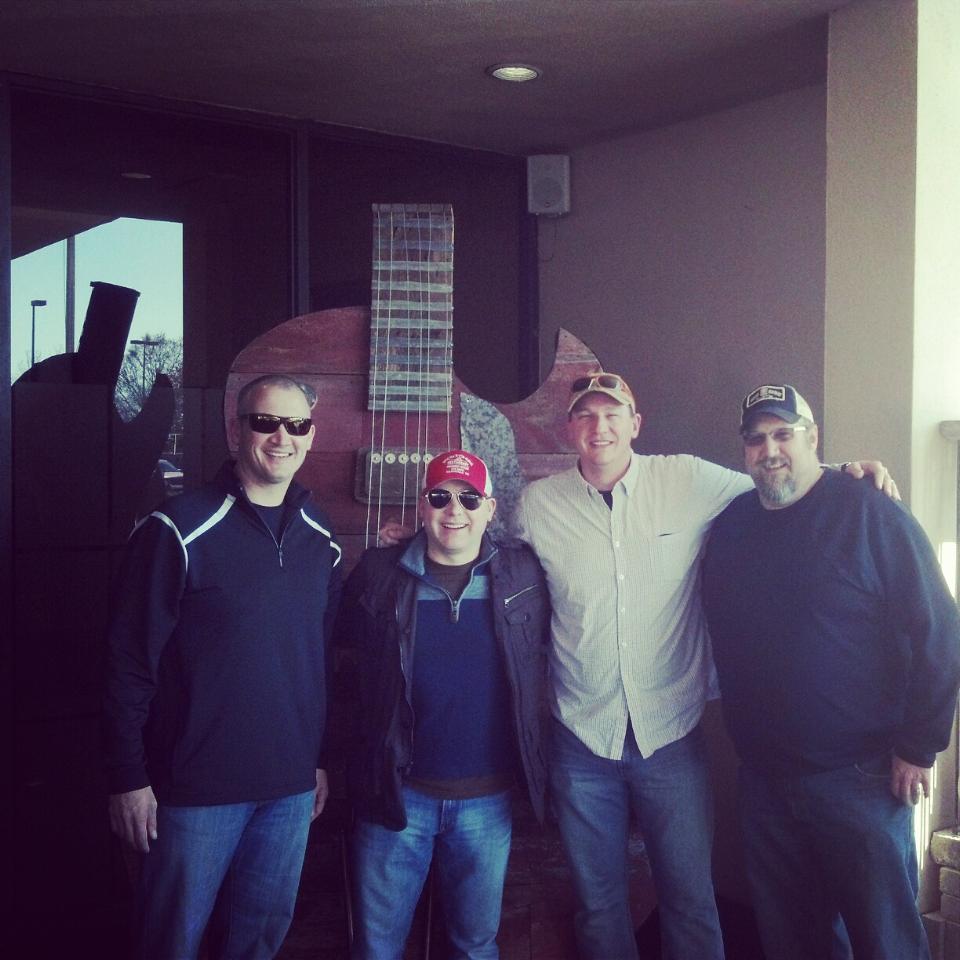
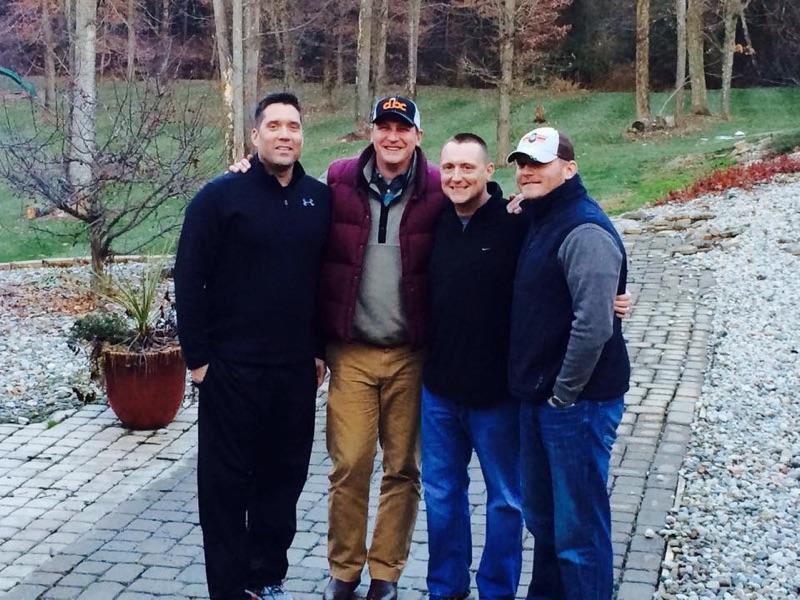
I don’t see them as much as I’d like, but today I’m especially thankful for my friends. These are the guys that I’d still be friends with even if there were no Facebook, Twitter, or Instagram. The ones that make time for me and who get priority in the scheduling of the hallowed ‘guys weekends.’

Thank you Jason Pittser, Eric Richardson, Brad Mitchell, Chad Plageman, and Judd Blau. Doesn’t matter how long it has been, the conversation picks up like we just had coffee yesterday because we don’t have to start with the unimportant, bullshit small talk. That’s how I know we’re friends. You are as interested in me and my life as I am in yours. That’s how I know we’re friends. We talk about the painful stuff because we know it helps and we can trust each other with those things. That’s how I know we’re friends. We could have a guys weekend in a hotel in Dubuque and it would be just as fun as some of the awesome places we’ve been together because it is the being together that is important. That’s how I know we’re friends.

I love you guys and appreciate your friendship. Can’t wait to see you again.

A Week of Thankfulness

josie bus

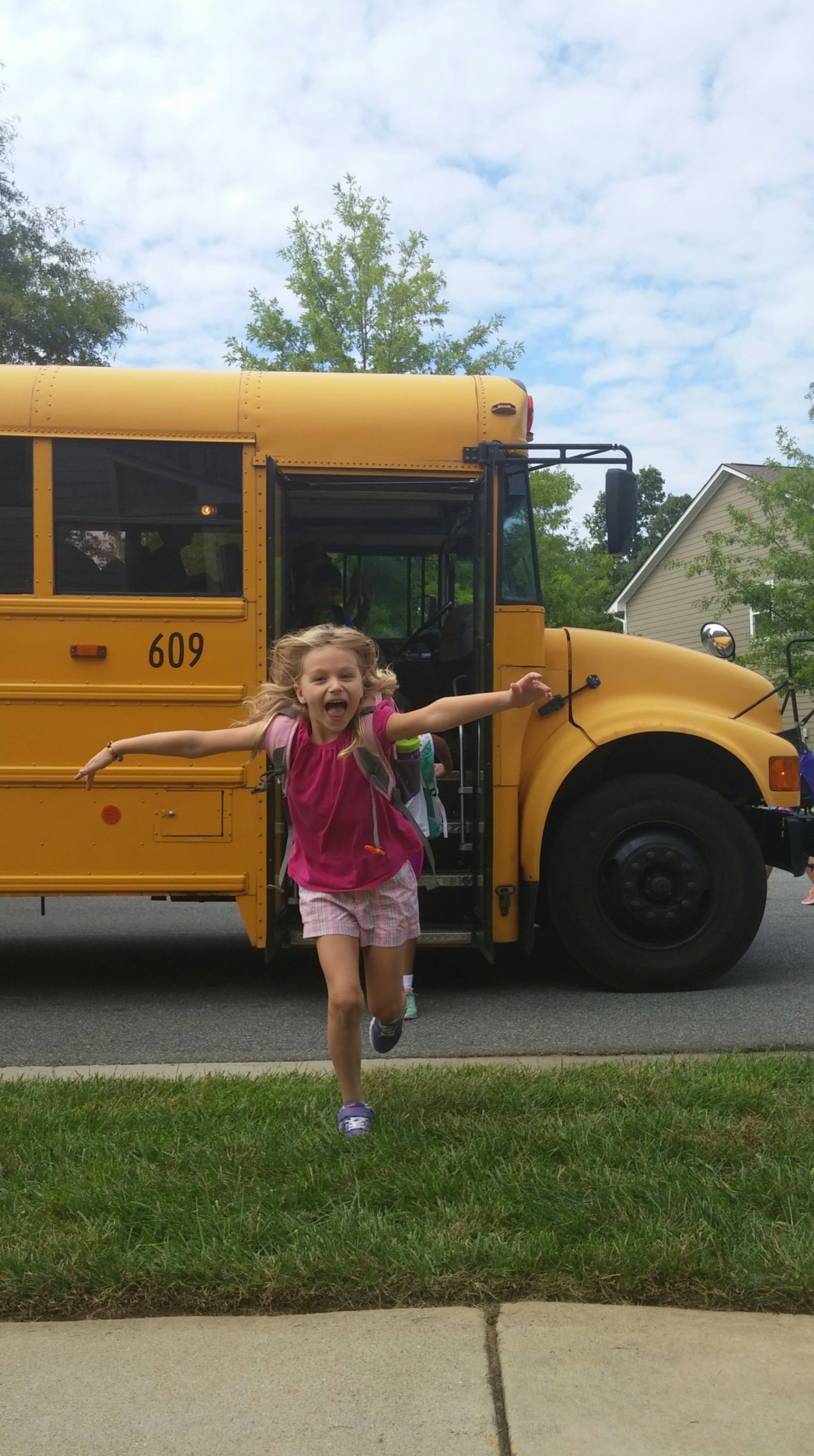
This picture pretty much sums up my daughter’s personality. She loves life and lives it at full speed. This morning, as my wife and I waited at the bus stop with our kids and Josie spent the entire time making up new games and races for everyone while we waited, I was reminded about how thankful I am that I have two healthy children, who love each other and each other’s company, and who are curious and sensitive.

In a week that calls all of us to stop and be thankful, I’m going to try to reflect each day on a small thing in my life that I’m thankful for and today it is the smiles of my children.

A Broken Mindset

draftpic

I’ve written before about some of the negative things that go on in youth sports in America and how sad I am about that state of affairs. Until now, I haven’t coached either one of my kids, but I figured if I was going to rant and rave about the degradation of youth sports, I’d better try to be a part of the solution; so this year I’m coaching my 8-year-old in his youth basketball league. Maybe I shouldn’t have done that, because last night we got the season started with a coaches’ meeting and a ‘draft,’ and what I witnessed during those two hours started to shed some light on why parents act the way they do at practices and games.

I’m not sure if you caught that last line…we had a DRAFT! I’ll point out that this is an 8 and under, Parks and Recreation League in suburban Charlotte, NC. There are 14 teams in the league and my assistant and I were two of about 25 guys in a room at Town Hall that were given a spreadsheet with every participant in the league, in SKILL RANK order. Over the last couple of weekends, the league has had ‘skills and drills’ days where the kids just come and do some drills and practice individual skills. During that time, they are apparently being evaluated in order to rank them for the draft. The list I received when I walked in the door had name, age, height, Ranking (1-5), and any notes that the parents might have included with their registration. Most of the notes were things like “teammate with Johnny Smith so we can carpool,” or “can’t practice on Monday nights because of piano lessons.” However, my first disturbing moment of the night was the note I saw on 5-6 kids on the list: “NOT on Jimmy Williams’ team.” That’s right, parents specifically requesting not to be on a certain child’s team. (I made up the name)

As disturbing as that was, it was just getting started. I found my seat just before the draft instructions started and I sat down behind the guy pictured above. I’m not sure the picture really does justice to the absurdity. This coach, who is the dad of a kid in the league, had attended both of the skills and drills days and taken copious notes on each player (they had numbers on at skills and drills). He then took the extra step of putting all of those kids into a spreadsheet and color coding them in some way to guide his draft day decisions. As I was busy throwing up in my mouth, I didn’t have time (or the stomach) to ask him his methodology, but as the draft went on, it was clear that he had this well planned. If it was just one outlier who went to the effort to take notes on kids and prepare to that extreme I might pass it off, but he wasn’t the only one. He was the only one who typed it up and color coded it, but almost every coach had a folder of some sort with their strategy clearly laid out. I was clearly out of my league, and my assistant coach could sense it.

As the draft went on (for 2 hours), some of the discussion about individual players was embarrassing. Throughout the course of the night I overheard “that kid is fat and slow, we don’t want him,” “no way we’re taking that guy, he’s a pain in the ass,” and “that kid is really an athlete, he’ll dominate, we’ve got to get him.” There were trades, trading of picks, negotiations not to take a kid because he lives in the neighborhood of some other kid, and all manner of back door deals.

Meanwhile, I took what was my intended strategy of just sort of picking kids at random and trying to get a couple of kids that my son knew on the team. My son’s final instructions before I left the house were “don’t get any guys who are going to be critical and take it too seriously.” My assistant had been through this before with our town’s youth baseball program, so he had more insight on the skills set and athleticism of many of the boys, so we may luck up and have a good team. But we might not. We might lose every game. Honestly, it really doesn’t matter to me. What matters, and matters even more after what I saw last night, is that every kid on our team has FUN, learns something about basketball they didn’t know before the start of the season, feels great about themselves because they know they improved, and starts to develop a love for the game of basketball, no matter how good of a player they are as they get older. You see, of the 140 kids in our league, most of them will end up going to the same high school. That means that less than 10% of the kids in the ENTIRE LEAGUE will ever play high school varsity basketball and even have the chance at a college scholarship. So to me, it is a lot more important for the health of the game that all of the kids on my team learn the game and learn to enjoy the game so that as they grow up it will always be a fun part of their lives regardless of whether they are a spectator, jv player, coach, or NBA superstar.

I don’t really know what else to do to fix what I view as an epidemic in youth sports where parents have taken everything, at every level, to the extreme. All I know to do is coach the 10 boys on my team to the best of my ability, teach them the game that I love, treat everyone at every practice and every game with respect, and make sure that we all have fun. Hopefully the result will be one other dad or mom that sees that example and decides to do the same thing when they coach.

Writing Helps

edward-abbey

It was an unlikely place to learn one of the most valuable lessons in life. You’d expect an ‘a-ha’ moment for a teenage writer to come from an inspiring English teacher or from reading a book of Emerson poetry for the first time, or something like that. And, while I had some great clinicians for English teachers (Neuleib and Kelly), it was in my AP U.S. History class that Ms. Scott taught me that writing helps. She forced me to write about history in a way that EXPLAINED it, not just recounted it, and in those exercises I learned the value of using writing to explain things. You see, when you write to explain your thoughts and feelings, your mind is forced to process and organize those thoughts and feelings into understandable sentences. The result is that writing helps us understand ourselves, process our feelings, and express those feelings to others in ways that speaking cannot because of the filter of our hands on the pen or fingers on the keyboard.

So, I return to the task that Ms. Scott often assigned now as an adult, particularly when I’ve got something swirling around in my mind that needs some translation to make any sense. While I still love to read about Sherman’s March to the Sea and Roosevelt’s New Deal, those topics don’t find their way into my creative writing these days. However, when I was writing about those things I was forced to study the facts, examine the commentary, and develop my own thoughts about the how and why of some of history’s most important moments. I try to apply the same exercise to my writing now – I am usually stirred by facts (something I read, hear, or discuss with a friend usually), I examine the commentary (often inside my own head), and I try to develop my own thoughts about the implications of what is going on.

You see, I’ve been in a bit of a ‘funk’ lately. Nothing serious, just not the best me, not the me I want to be. Unlike my writing hero, Edward Abbey (pictured above), I’m not intending to set off to blow up a dam out of angst; although if you are thinking about that you should watch Damnation on Netflix and you’ll definitely want to. I digress…

So, I review the facts: I’ve had 3 straight weeks of heavy travel (like multiple flights, coast to coast, red-eye heavy travel), I’ve been out of my consistent running pattern (only 1-2 days a week the last few weeks), I’m eating like crap (on my last business trip I had back to back nights of 10p wings and beer at the hotel bar because of that crappy travel schedule), and I haven’t written anything since October 30. I examine the commentary in my head – “Wow, looks like you’re putting on some weight this morning in the mirror,” “Gee, I’m awfully tired this morning, I think I’ll sleep another 45 minutes since my client meeting isn’t until 10a today,” “It’s been a long trip, you deserve some ‘comfort food’ before bed tonight.”

Now it’s time to develop my own thoughts into something meaningful on this page. Travel is a natural part of my job, it us unavoidable, so there is no sense in taking a negative view of the necessity of some tough trips. The real thing that is going to get me out of this ‘funk’ isn’t less travel, it is a change in discipline and attitude. If I look at times I’ve felt great about myself and the world, I was actually traveling quite a bit then. Travel inspires and energizes me, it is fun for me to explore new places and meet new people. The difference is my approach to that travel and how I spend my hours on the road needs a re-start. When I leave enough room in my travel schedule to enjoy a city, sit down for a decent meal at a decent hour, and make it a priority to get out of bed for my morning run, my whole attitude and experience changes.

In my old high school ‘blue books’ where Ms. Scott made us write our history essays, she always made us leave margins so that we had room for notes and additions if we needed them. I think the same applies here – I need to get back to leaving some margins in my days; time to think, time to read, time to explore, and time to write. Because writing helps.